Fact-Checked & Clinical Guidelines Aligned
Content rigorously reviewed to ensure alignment with clinical guidelines published by the National Sleep Foundation (NSF) and the American Academy of Sleep Medicine (AASM).
Adjustment disorder with anxiety and depression
Adjustment disorder with anxiety and depression is more common than most people realise — and more treatable than it feels. Here's what it actually is, what causes it, and what genuinely helps.
Adjustment Disorder with Anxiety and Depression: What It Is, Why It Happens, and How to Navigate It
"You are allowed to be both a masterpiece and a work in progress simultaneously." — Sophia Bush
Something changed.
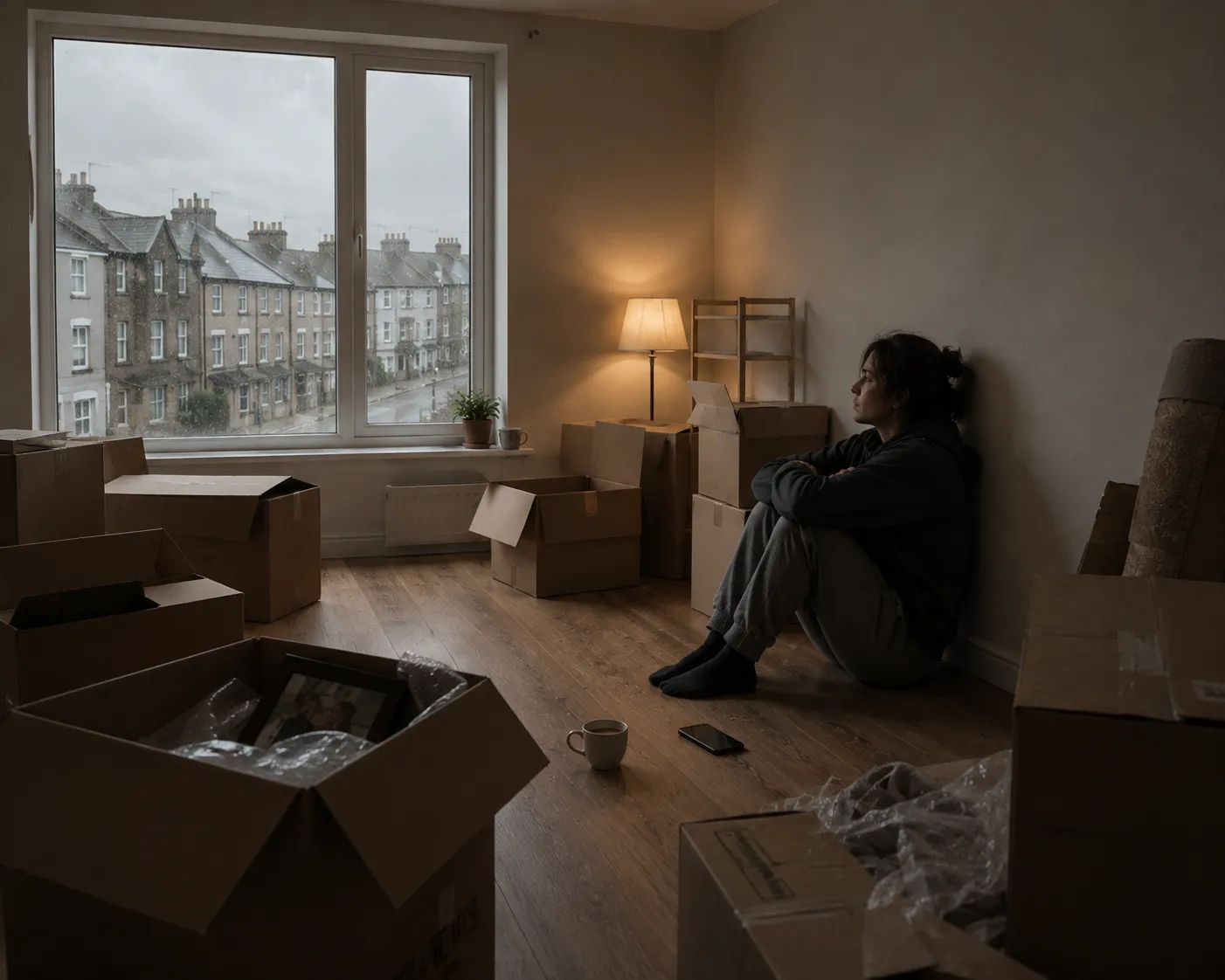
Maybe it was a job loss. A relationship ending. A move to a new city. A diagnosis — yours or someone else's. A retirement. A bereavement. Something that, from the outside, might look manageable — even expected. And yet, weeks later, you find yourself unable to function the way you used to. Anxious in ways that feel disproportionate. Low in ways that don't lift. Struggling with sleep, with concentration, with the basic machinery of daily life.
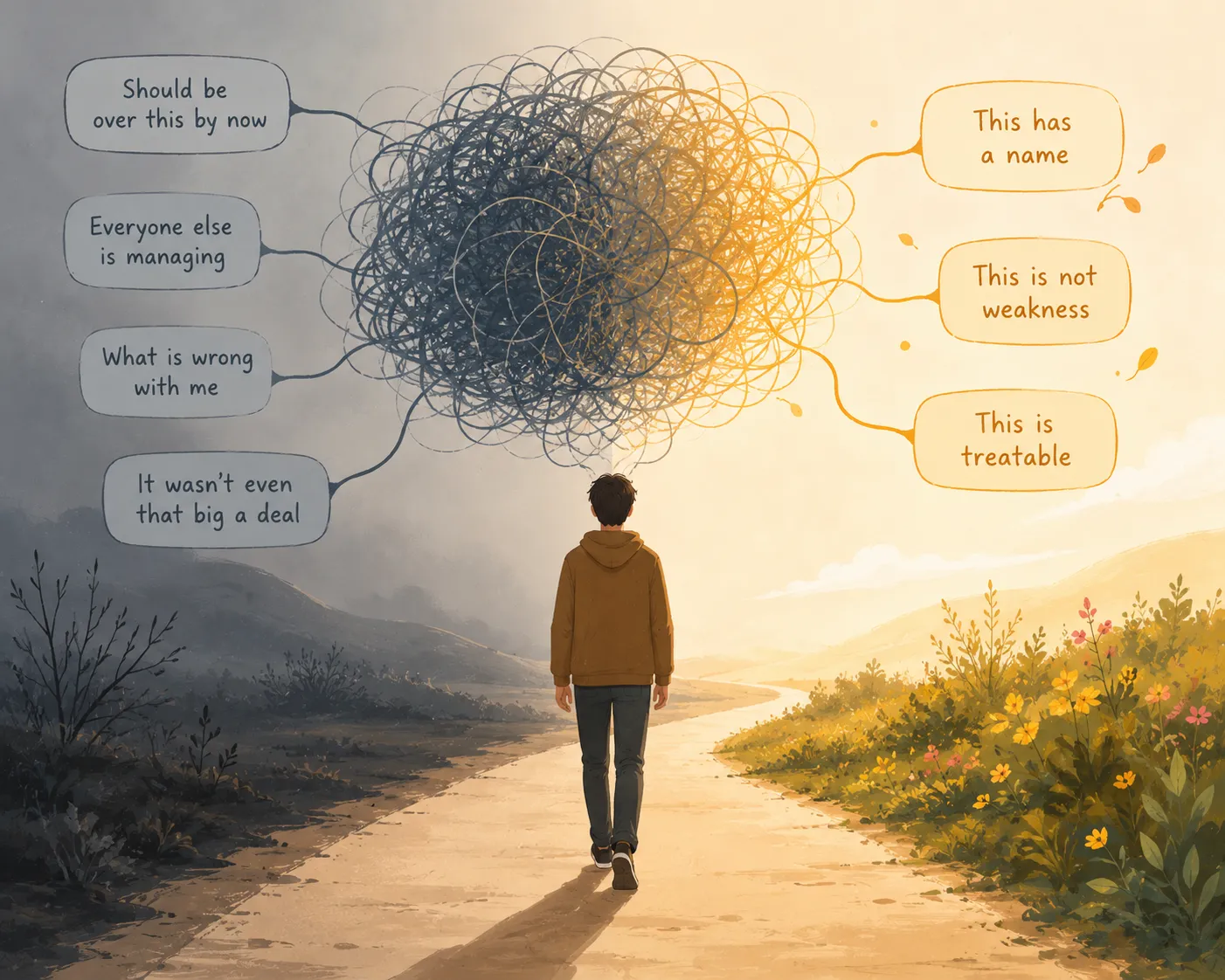
You keep telling yourself you should be over this by now.
You're not over it. And there's a clinical reason for that — one that has a name, a well-understood mechanism, and a genuine treatment pathway.
It's called adjustment disorder with mixed anxiety and depressed mood. And understanding it properly is the first step toward actually moving through it.
What Is Adjustment Disorder?
Adjustment disorder is a psychological response to an identifiable stressor — a significant life change or event — that produces emotional or behavioural symptoms more intense or prolonged than what would typically be expected.
It is defined in the DSM-5 (the Diagnostic and Statistical Manual of Mental Disorders, Fifth Edition) as a condition where:
- Emotional or behavioural symptoms develop within three months of the onset of a stressor
- The distress is disproportionate to the severity or intensity of the stressor (accounting for cultural context)
- The symptoms cause significant impairment in social, occupational, or other important areas of functioning
- The symptoms do not meet the criteria for another mental health disorder (such as major depressive disorder or generalised anxiety disorder)
According to the American Psychiatric Association, adjustment disorder affects approximately 5–20% of people in outpatient mental health treatment — making it one of the most common mental health diagnoses. It is not rare. It is not weakness. It is a documented clinical response to difficulty that the human nervous system sometimes produces when change exceeds its current capacity to adapt.
The "with mixed anxiety and depressed mood" specifier means the presentation includes features of both — worry, nervousness, and tension alongside low mood, tearfulness, or hopelessness. This is the most common subtype.
What Causes It — And Why Some People Are More Vulnerable
Adjustment disorder doesn't happen because someone is fragile. It happens because the stressor — whatever it was — exceeded the resources available to absorb it at that time.
Those resources include:
Internal factors:
- Previous mental health history
- Coping style and flexibility
- Resilience built from past experience
- Neurobiological stress response patterns
- Personality factors — particularly neuroticism (sensitivity to negative emotional experience)
External factors:
- Available social support
- Financial stability or instability
- Concurrent stressors (multiple changes happening simultaneously)
- Sleep quality — which directly affects the brain's capacity to regulate emotion and process difficulty
This last point is worth noting. The prefrontal cortex — the brain region responsible for emotional regulation, rational thought, and coping — is significantly impaired by sleep deprivation. A person navigating a major life stressor on chronically insufficient sleep has measurably less neurological capacity to process that stressor. Sleep doesn't cause adjustment disorder — but poor sleep consistently makes it worse and recovery slower.
Common stressors that trigger adjustment disorder include:
- Relationship breakdown (divorce, separation, bereavement)
- Job loss or significant career change
- Financial crisis
- Serious illness — personal diagnosis or that of someone close
- Major life transitions (retirement, children leaving home, relocation)
- Trauma or unexpected negative events
Importantly: the stressor doesn't have to be objectively catastrophic. A change that others might consider minor can be genuinely destabilising depending on what it means to the individual and what resources they have to manage it. Adjustment disorder does not require a dramatic event. It requires a mismatch between demand and capacity — and that mismatch is deeply personal.

How It Feels: The Experience From the Inside
The clinical description doesn't fully capture what adjustment disorder with anxiety and depression actually feels like day to day.
It feels like:
- Worry that won't quiet down — circling the same fears repeatedly without resolution
- A heaviness that arrives in the morning and doesn't lift through the day
- Difficulty concentrating — thoughts that scatter before they form
- Irritability that arrives without obvious cause and feels disproportionate even as it's happening
- Withdrawal from people and activities that used to feel natural
- Sleep disruption — difficulty falling asleep, staying asleep, or waking early with an immediate sense of dread
- A persistent sense of "I should be coping better than this"
That last one is particularly common — and particularly counterproductive. Adjustment disorder produces shame about the difficulty of adjusting, which adds an additional psychological burden on top of the original stressor. The suffering becomes about the suffering. The struggle becomes about the struggle.
Understanding that what you're experiencing has a name, a cause, and a treatment pathway is not a small thing. It shifts the frame from "what is wrong with me" to "what is happening to me" — and that shift matters enormously for recovery.
What Actually Helps: Evidence-Based Approaches
1. Psychotherapy — Particularly CBT and Brief Therapy
According to the National Institute of Mental Health, psychotherapy is the first-line treatment for adjustment disorder. Cognitive Behavioural Therapy (CBT) is the most extensively studied — helping to identify and reframe the thought patterns that amplify distress, and building coping strategies that address both the anxiety and depressive components.
Brief psychodynamic therapy — a shorter-term approach that explores the meaning of the stressor and its connection to personal history — is also well-supported for adjustment disorder specifically.
The adjustment disorder diagnosis actually has a relatively good prognosis with appropriate support. Unlike major depressive disorder or generalised anxiety disorder, it is by definition tied to a specific stressor — which means that as the stressor resolves or the person's capacity to adapt increases, symptoms typically improve.
2. Social Support — More Specifically, Being Heard
The evidence on social support and mental health recovery is consistent: quality matters more than quantity. One person who genuinely listens — who hears what you're actually saying rather than immediately offering solutions or reassurance — is worth more than a dozen well-meaning acquaintances.
If you're in the middle of adjustment disorder, the people most likely to help are those who can tolerate sitting with you in the difficulty rather than rushing you out of it.
3. Routine and Structure
The nervous system under stress craves predictability. When a major stressor has disrupted the existing structure of life, deliberately creating new structure — consistent wake times, regular meals, planned movement, clear boundaries around work and rest — provides the nervous system with anchors it can relax into.
This is not about being rigid. It's about reducing the cognitive and emotional load of daily decisions when that load is already high.
4. Physical Activity
The evidence base for exercise as a mental health intervention is substantial. According to Mind, the mental health charity, regular physical activity reduces symptoms of both anxiety and depression — through mechanisms including cortisol regulation, serotonin and dopamine production, and the neurogenesis (growth of new brain cells) that exercise stimulates in the hippocampus.
For adjustment disorder specifically: movement provides a genuine outlet for the physiological stress response. The anxiety component of adjustment disorder produces cortisol and adrenaline that are meant to drive action. Exercise gives those stress hormones somewhere to go.
5. Sleep — As a Recovery Tool, Not Just a Symptom
Sleep disruption is both a symptom and a perpetuating factor in adjustment disorder. Poor sleep reduces the emotional regulation capacity that recovery requires. It elevates cortisol. It reduces serotonin baseline. It makes every stressor feel larger and every coping strategy less accessible.
Protecting sleep during a period of adjustment disorder is not a luxury — it is part of the treatment.
Consistent wake times, reduced screen use in the evening, a cool dark bedroom, and a calculated bedtime that aligns with your sleep cycles all support the quality of sleep that emotional recovery requires. Practical tools like a sleep calculator can help establish the right timing — because when everything else feels out of control, getting one foundational thing right matters.
6. Medication — When Appropriate
Medication is not the first-line treatment for adjustment disorder — but it is appropriate in some presentations, particularly when the anxiety or depressive symptoms are severe enough to prevent engagement with therapy or basic daily function.
Short-term use of anti-anxiety medication or antidepressants, under medical supervision, can reduce the intensity of symptoms enough to make other interventions accessible. This is a decision to be made with a doctor — not avoided out of stigma and not pursued without professional guidance.
When to Seek Help
If you recognise what's described in this post: please speak to a doctor or mental health professional. Adjustment disorder is treatable. The prognosis with appropriate support is genuinely good. Waiting for it to resolve on its own is sometimes the right call — adjustment disorder can resolve naturally as the stressor diminishes — but it is not the only option, and it is not always the fastest or safest one.
If you are experiencing thoughts of self-harm or suicide, please reach out immediately:
- UK: Samaritans — 116 123 (free, 24/7)
- US: 988 Suicide and Crisis Lifeline — call or text 988
- International: findahelpline.com
FAQ
What is adjustment disorder with mixed anxiety and depressed mood?↓
It is a clinical diagnosis describing emotional and behavioural symptoms — combining features of both anxiety and depression — that develop in response to an identifiable life stressor and are more intense or prolonged than would typically be expected. It differs from major depressive disorder and generalised anxiety disorder in that it is directly tied to a specific stressor and typically resolves as that stressor resolves or as adaptive capacity increases.
How long does adjustment disorder last?↓
By definition, adjustment disorder symptoms begin within three months of the stressor and typically resolve within six months of the stressor ending. When the stressor is ongoing (chronic illness, prolonged financial difficulty), symptoms may persist longer — this is called chronic adjustment disorder. With appropriate treatment, recovery is generally faster than without. If symptoms persist beyond six months without an ongoing stressor, the diagnosis may need reassessment.
Is adjustment disorder serious?↓
Yes — it deserves to be taken seriously. While it has a better prognosis than major depressive disorder or generalised anxiety disorder, it causes genuine impairment in daily functioning and — if untreated — can progress to more severe mental health conditions. It also carries suicide risk that should not be underestimated. Taking it seriously and seeking appropriate support is not overreacting. It is appropriate self-care.
Can adjustment disorder affect sleep?↓
Significantly and consistently. Sleep disruption — difficulty falling asleep, staying asleep, or early morning waking — is one of the most common symptoms. Poor sleep also perpetuates adjustment disorder by reducing the emotional regulation capacity needed for recovery. Addressing sleep as part of treatment — through consistent sleep timing, sleep hygiene practices, and professional support if needed — is an important component of the recovery process.
What is the difference between adjustment disorder and depression?↓
The primary difference is the presence of an identifiable stressor and the proportionality of the response. Major depressive disorder can occur without an obvious trigger and meets specific diagnostic criteria (persistent low mood for two weeks or more, plus multiple additional symptoms). Adjustment disorder is directly tied to a specific stressor and does not meet the full criteria for major depression. However, the distinction requires professional assessment — self-diagnosis is not reliable, and the treatment pathways differ enough to matter.
The Bottom Line
Adjustment disorder with anxiety and depression is what happens when life demands more than your current resources can meet. It is not a character flaw. It is not overreacting. It is a documented clinical response to genuine difficulty — and it has a name, a cause, and a treatment pathway.
The stressor that triggered it may or may not be within your control. Your response to it — seeking understanding, building support, protecting sleep, engaging with professional help — absolutely is.
Recovery is not linear. It is not fast. But it is real, and it is possible, and it usually looks like a series of small, consistent actions taken in the right direction — even on the days when the right direction is simply getting out of bed and making it to the end.
That is enough. That counts.
Important: This article is for informational purposes only and does not constitute medical advice or diagnosis. If you are experiencing mental health difficulties, please consult a qualified healthcare professional. If you are in crisis, please contact emergency services or a crisis helpline immediately.
Sources: DSM-5 diagnostic criteria from American Psychiatric Association, 2013. Adjustment disorder prevalence from Casey, Psychiatry, 2009. Exercise and mental health from Schuch et al., British Journal of Sports Medicine, 2018. Sleep and emotional regulation from Walker, Why We Sleep, 2017. CBT for adjustment disorder from Strain & Diefenbacher, Psychosomatics, 2008.
Calculate Your Perfect Sleep & Wake Times
Put this research into practice immediately. Our scientific calculators align your sleep with natural 90-minute REM cycles.
Related Articles
Why You Wake Up Tired Even After 8 Hours of Sleep
8 common hidden causes of morning fatigue — and exactly how to fix each one.
8 min read read →How to Fall Asleep Faster: 12 Science-Backed Tips
Reduce your sleep onset time from 30+ minutes to under 10 minutes with these evidence-based techniques.
7 min read read →How to Fix Your Sleep Schedule in 7 Days
A step-by-step protocol using anchor wake times, morning light, and sleep pressure to reset your schedule.
7 min read read →